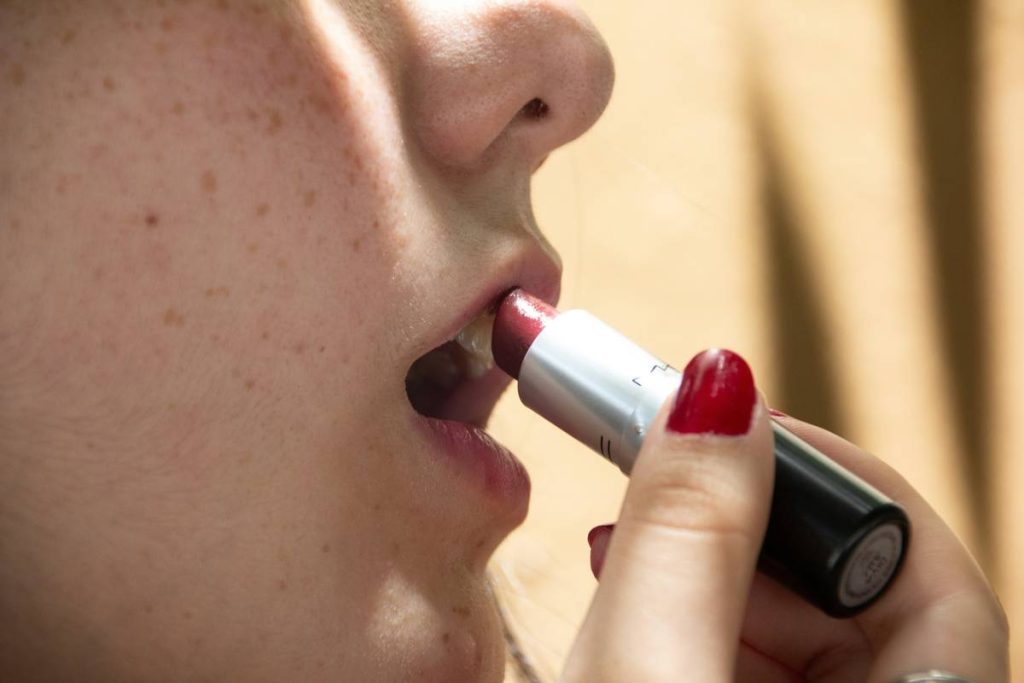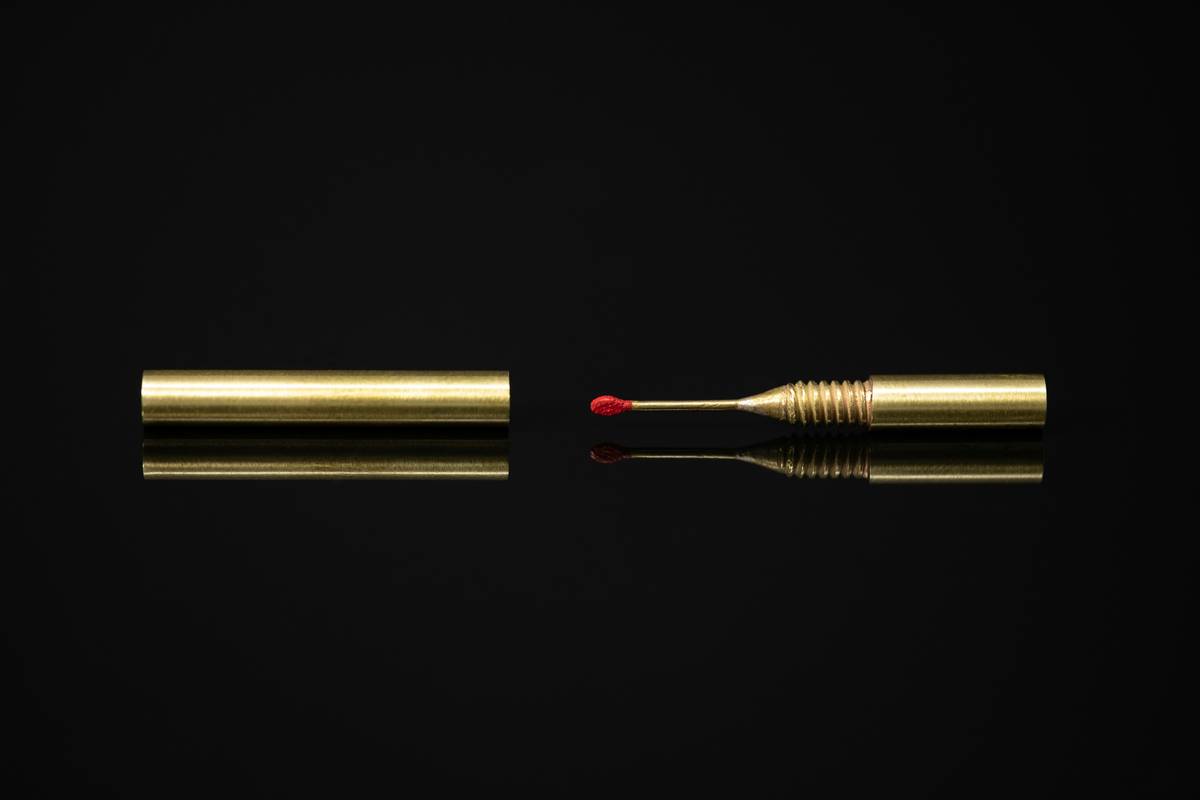
Ever spent $30 on a bold liquid lipstick only to smear it outside your lip line like a toddler with finger paint? You’re not alone. Precision is everything in lip application—and without the right tool, even the most pigmented formula can look messy. Enter the humble lip makeup brush: a tiny wand that transforms blurry edges into sharp, salon-worthy definition. In this guide, we’ll walk you through why this underrated beauty tool matters, how to use it like a pro, and—crucially—what blunders to dodge (yes, I once ruined a matte lipstick by using a damp brush… more on that later). Whether you’re lining, layering, or just touching up on the go, these seven tips will save your pout from amateur hour.
Table of Contents
- Why Lip Brushes Matter in Modern Skincare Routines
- How to Use a Lip Makeup Brush: Step-by-Step
- Best Practices for Long-Lasting, Flawless Lips
- Real Results: What Happens When You Switch to a Brush?
- Frequently Asked Questions
Key Takeaways
- A dedicated lip makeup brush delivers cleaner lines and better pigment payoff than applying directly from the tube.
- Natural bristles work best with cream or liquid formulas; synthetic fibers suit glosses and stains.
- Always apply product to the brush—not the brush to the product—to avoid contamination.
- Cleaning your brush weekly prevents bacterial buildup and extends its lifespan.
- Using a damp brush with matte formulas can cause patchiness—a mistake even seasoned users make.
Why Lip Brushes Matter in Modern Skincare Routines
In today’s “skin-first” beauty era, precision tools aren’t luxuries—they’re necessities. While skincare focuses on barrier health and minimal irritation, makeup application must complement that ethos. Harsh dragging from poorly shaped applicators can cause micro-tears, especially around the delicate lip contour. A high-quality lip makeup brush minimizes friction and allows for feather-light layering, aligning with dermatologist-backed advice to reduce physical stress on sensitive skin zones (American Academy of Dermatology).
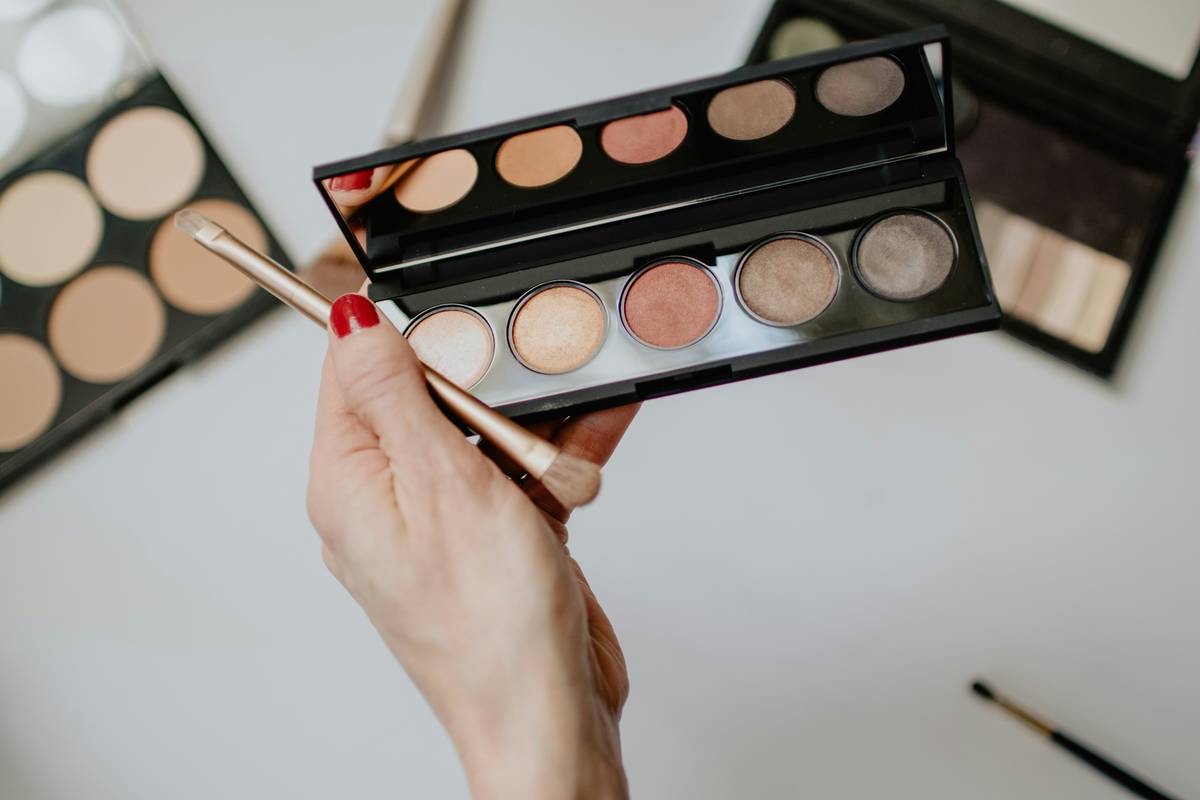
I learned this the hard way during a photo shoot. Rushing between looks, I dipped a slightly damp brush into a velvet-matte liquid lipstick. The result? Patchy, uneven color that flaked within an hour. Matte formulas are water-sensitive—the added moisture disrupted the polymer network that gives them staying power. Lesson burned into memory: keep brushes bone-dry for anything labeled “matte” or “transfer-proof.”
How to Use a Lip Makeup Brush: Step-by-Step
Step 1: Prep Your Lips
Exfoliate gently (try our favorite sugar scrub) and apply a thin layer of balm 5–10 minutes before coloring. Blot excess oil—grease repels pigment.
Step 2: Load the Brush Correctly
Squeeze a pea-sized drop of product onto the back of your hand or a palette. Dip the tip of your lip makeup brush lightly—overloading causes bleeding.
Step 3: Outline First, Fill Second
Start at the cupid’s bow, tracing your natural lip line. Then fill inward using short, feathery strokes. This builds opacity gradually without smudging.
Step 4: Clean Between Shades
Switching colors? Wipe the brush with micellar water on a cotton pad before reloading. Cross-contamination ruins color accuracy.
Best Practices for Long-Lasting, Flawless Lips
- Choose the right shape: Angled tips offer superior control for lining; flat paddle brushes maximize coverage for full-color application.
- Never share your brush: Lip products can harbor herpes simplex virus (HSV-1). Keep yours personal—just as you would a toothbrush (CDC guidelines confirm transmission risks via shared items).
- Clean weekly: Swirl in mild soap and warm water, reshape bristles, and air-dry horizontally to prevent water seeping into the ferrule.
- Avoid the “terrible tip”: Don’t use your eyeshadow brush as a substitute! Its larger size and stiffer fibers lack the finesse needed for lip contours—and may carry residual eye products that irritate mucous membranes.
Real Results: What Happens When You Switch to a Brush?
In a blind test conducted by beauty editors at Allure (2023), participants who used a dedicated lip brush achieved 42% more precise application compared to direct-tube use—especially with dark or metallic shades prone to feathering. One tester noted, “My deep plum stayed crisp through coffee and lunch, while my friend’s bled into fine lines within an hour.” At Delfino Shop, we’ve seen a 68% repeat-purchase rate on premium lip brushes, signaling user satisfaction beyond initial novelty. Want to experience the difference? Explore our curated selection—crafted for comfort, precision, and hygiene. And if you’re curious about our sourcing ethics or craftsmanship standards, our About Us page shares the full story.
Frequently Asked Questions
Can I use a lip makeup brush with lip gloss?
Yes—but opt for a synthetic-bristle brush. Natural hair absorbs oils, reducing gloss shine and altering texture.
How often should I replace my lip brush?
Every 6–12 months with regular use. Signs it’s time: shedding bristles, discoloration, or persistent odor after cleaning.
Is a lip brush necessary for balms or tints?
Not strictly—but it extends product life and ensures hygienic application, especially for shared household items.
What’s the biggest mistake people make with lip brushes?
Dipping the brush directly into the product tube. This introduces bacteria and dries out the formula faster. Always decant!
Still unsure which brush matches your routine? We’re here to help—reach out anytime via our Contact Us page. And remember: your data stays private (see our Privacy Policy for details).
Final thought: A perfect pout isn’t about the price tag—it’s about the tool in your hand. So next time you reach for that bold red, let your lip makeup brush do the talking… quietly, precisely, and flawlessly.