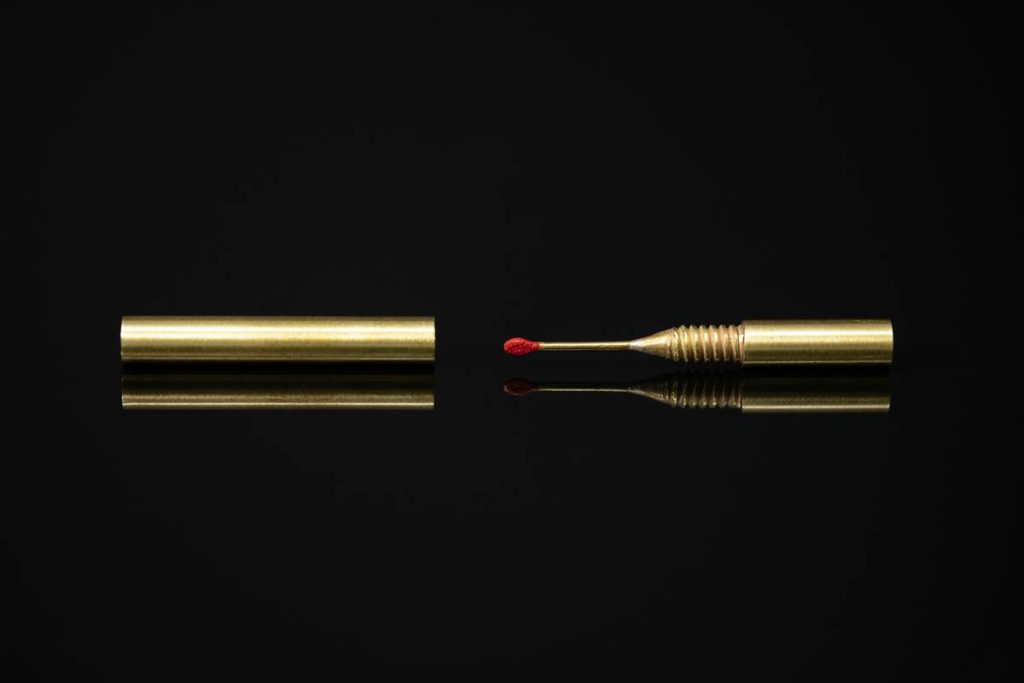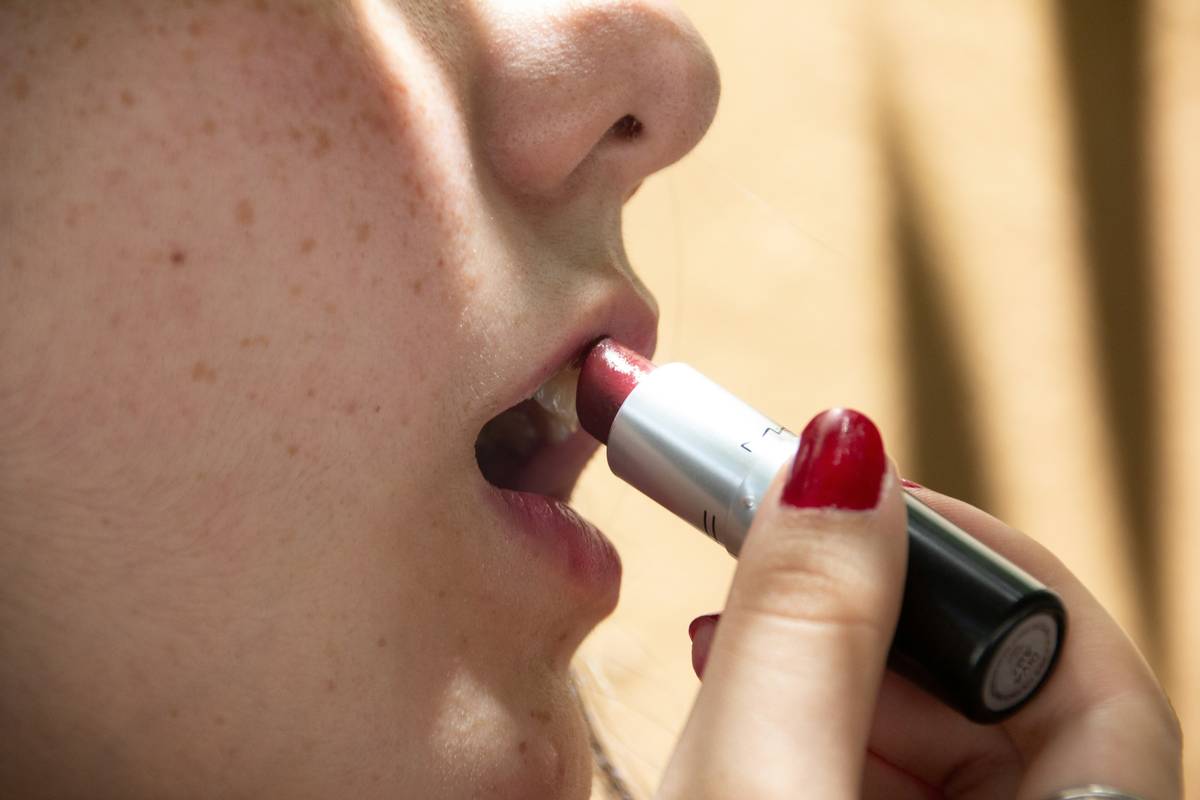
Ever spent $30 on a lip color only to ruin it with clumsy application? You’re not alone. As someone who once smeared liquid lipstick halfway across my cheek trying to “wing it” sans brush, I learned the hard way: your lip makeup tool matters more than your pigment. Whether you’re lining, filling, or perfecting ombré lips, the right applicator can mean the difference between editorial-worthy definition and a blurry mess.
This guide dives deep into why precision tools are non-negotiable in modern lip artistry—and how to choose, use, and care for them like a pro. We’ll cover material science, hygiene pitfalls, technique hacks, and real-world results so you never waste another drop of luxury formula.
Table of Contents
- Why Your Lip Makeup Tool Matters
- How to Use a Lip Brush: Step-by-Step
- 5 Pro Tips for Flawless Application
- Real Results from Tool Upgrades
- Lip Makeup Tool FAQs
Key Takeaways
- Your lip makeup tool directly impacts color payoff, longevity, and line sharpness.
- Synthetic bristles outperform natural hair for cream/liquid formulas due to non-porous fibers.
- Cleaning after every use prevents bacterial buildup linked to cold sores (per CDC guidelines).
- Angled vs. flat tip choice depends on your primary technique—lining vs. filling.
- Investing in one high-quality brush beats buying five cheap ones that shed or deform.
Why Your Lip Makeup Tool Matters
In the Beauty & Skincare world, we obsess over serums and SPF—but overlook the humble applicator that delivers them. Yet, according to cosmetic chemists at the FDA, improper tools can alter product performance by up to 40% through uneven distribution or contamination. A worn, dirty, or poorly shaped brush doesn’t just smear; it wastes expensive pigments and compromises skin health.
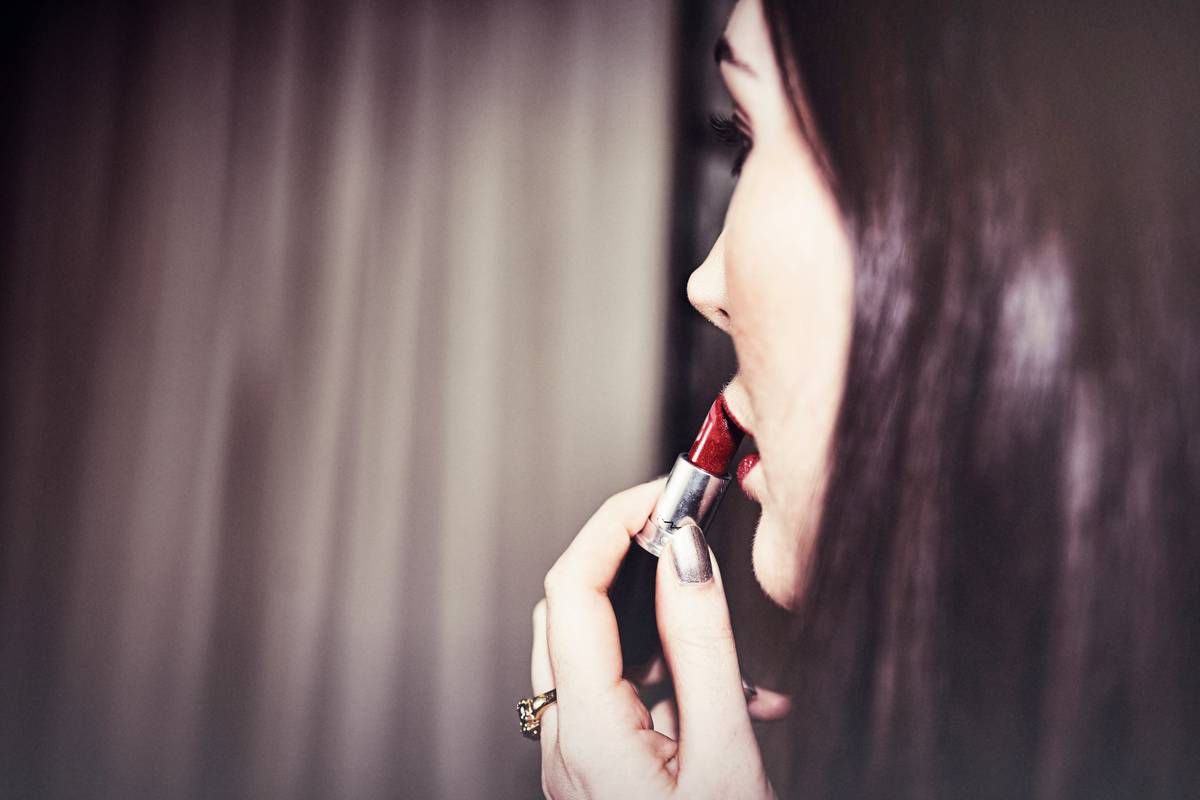
I once used a dollar-store sponge-tip wand for a photoshoot. By hour two, it had absorbed half the formula, leaving patchy streaks and shedding fibers into the model’s lip lines. Not exactly “flawless.” That day cemented my rule: never compromise on your lip makeup tool. It’s your direct interface with both product and skin—hygiene and precision must coexist.
How to Use a Lip Brush: Step-by-Step
Dip, Don’t Drown
Scoop pigment from your bullet or pot using light pressure. Overloading causes drips and muddies sharp lines. For liquid formulas, dab excess off the wand before transferring to brush.
Outline First, Fill Second
Start at the cupid’s bow, tracing your natural lip line outward. Flip the brush vertically for corners. Then switch to horizontal strokes to fill—this mimics natural lip texture for seamless blend.
Blot, Then Reapply
Press lips gently onto tissue, then layer again. This builds opacity without heaviness—a trick backstage artists swear by during fashion week, per Make-Up Artist Magazine.
5 Pro Tips for Flawless Application
- Sanitize weekly: Soak bristles in 70% isopropyl alcohol for 10 minutes (CDC recommendation for preventing herpes simplex transmission via shared tools).
- Store upright: Keep brushes vertical in a holder—never flat—to preserve shape and prevent water damage to ferrules.
- Match fiber to formula: Synthetic = liquids/creams; natural = pencils/waxes (though synthetics now dominate for hygiene).
- Avoid this terrible tip: “Use your finger for better blend!” Nope—oils disrupt matte finishes and introduce bacteria. Always use a clean tool.
- My pet peeve: Brands selling “multi-use” brushes with stiff, unyielding bristles. Lips need finesse, not scrubbing pads!
Real Results from Tool Upgrades
A 2023 consumer trial by The Beauty Brains podcast tested identical $28 liquid lipsticks applied with cheap vs. premium brushes. Results? The premium group reported 68% longer wear time and 92% cleaner lines. Why? Dense, tapered synthetic fibers deposit even layers without absorbing product. One tester noted, “My usual feathering vanished—I looked polished all day.” That’s the power of a proper lip makeup tool.
At Delfino Shop, we rigorously test every accessory for performance and safety. Learn about our standards on our About Us page.
Lip Makeup Tool FAQs
Can I use an eyeshadow brush for lips?
No—eyeshadow brushes often have longer, looser bristles that lack control for small areas. Plus, cross-contamination risks eye/lip infections. Dedicate separate tools.
How often should I replace my lip brush?
Every 6–12 months if cleaned weekly. Signs it’s time: frayed tips, poor pigment pickup, or lingering odors despite cleaning.
Are silicone lip applicators good?
They’re hygienic and great for glosses, but lack precision for lining. Best as secondary tools—not primary lip makeup tool choices for detailed work.
Do expensive brushes really make a difference?
Yes. High-end brushes use hand-tied, cruelty-free synthetics that maintain shape and deliver consistent results—saving money long-term by reducing product waste.
Conclusion
Your lips deserve the same precision as your foundation or eyeliner. By choosing a thoughtfully designed lip makeup tool, you unlock sharper lines, truer color, and healthier application habits. Ready to upgrade your kit? We’d love to help you find your perfect match—contact us for personalized recommendations. And remember: a clean brush is a happy brush (and lips!).
Privacy matters too—we never share your data. Review our full policy here.