Ever spent ten minutes reapplying lipstick because your brush smeared it beyond your lip line? You’re not alone. Many makeup enthusiasts assume any brush will do—but when it comes to precision, pigment payoff, and hygiene, the right synthetic lip brush makes all the difference. In this guide, we’ll cut through the fluff and give you actionable advice on choosing, using, and maintaining your go-to tool for flawless lips every time.
Table of Contents
- Why Synthetic Lip Brushes Matter
- How to Use a Lip Brush Like a Pro
- Best Practices for Long-Lasting Performance
- Real Results from Professional Use
- Frequently Asked Questions
Key Takeaways
- A high-quality synthetic lip brush delivers sharper definition and better product control than fingertip application.
- Not all synthetic bristles are equal—look for densely packed, soft-yet-firm fibers.
- Cleaning after every use prevents bacterial buildup and extends your tool’s life.
- Using a dry brush with creamy formulas can cause patchiness—lightly dampen for smoother glide.
Why Synthetic Lip Brushes Matter
In the world of cosmetic implements, the humble lip brush is often overlooked—until it fails you mid-application. Natural hair brushes may seem luxurious, but they absorb oils and pigments, leading to inconsistent color payoff and quicker degradation. That’s where the synthetic lip brush shines. Made from man-made fibers like nylon or taklon, these brushes offer non-porous surfaces that repel bacteria and distribute product evenly without soaking it up.
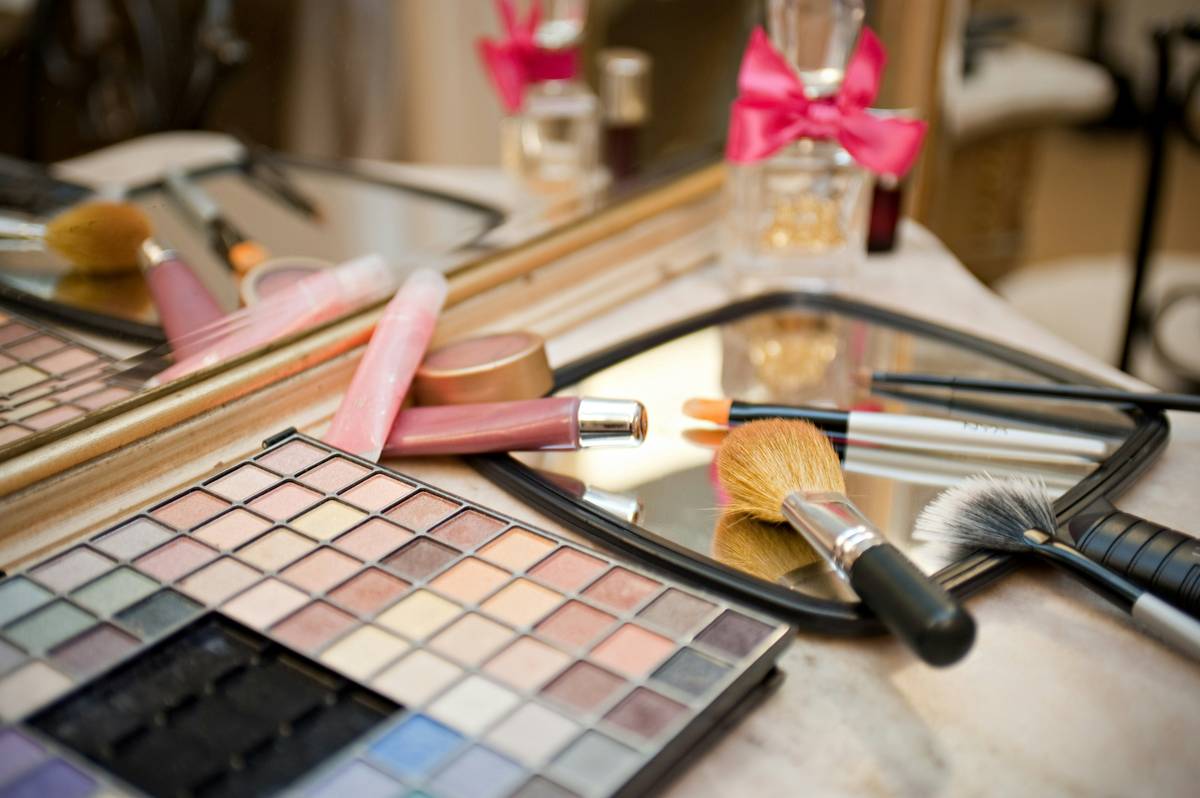
According to the U.S. Food and Drug Administration (FDA), cosmetic tools like brushes can harbor harmful microorganisms if not cleaned regularly—especially those used around mucous membranes like the lips. A 2021 study cited by the FDA found that over 60% of used makeup brushes tested positive for staphylococcus or E. coli. Choosing a non-absorbent synthetic option isn’t just about performance—it’s a hygiene imperative.
How to Use a Lip Brush Like a Pro
I once ruined a $38 liquid lipstick by dipping a dirty brush straight into the tube—contaminating the entire product. Lesson learned: prep and technique matter more than the price tag.
Dip, Don’t Scoop
Never insert your brush directly into a lipstick bullet or pot. Instead, swipe a small amount onto the back of your hand first. This preserves product integrity and minimizes contamination—something even professionals at Sephora emphasize in their tool hygiene guidelines.
Outline Before Filling
Start by tracing your natural lip line with light pressure. Then gently fill inwards using short, feathery strokes. This method prevents bleeding and gives you editorial-level precision.
Blot, Then Reapply
For long-wear formulas, apply one layer, blot with tissue, then add a second. A clean synthetic lip brush ensures each layer stays crisp—not muddy.
Best Practices for Long-Lasting Performance
- Clean weekly: Use a gentle brush cleanser or baby shampoo. Rinse under lukewarm water until it runs clear.
- Air-dry upright: Never lay flat—water can seep into the ferrule and loosen bristles.
- Don’t share: Even with your best friend. Cross-contamination risks aren’t worth it.
- Replace every 6–12 months: Frayed or stiff bristles mean it’s time for a new one.
And here’s a terrible tip I’ve heard too often: “Just wipe it on your shirt between colors.” Nope. Fabric doesn’t disinfect—it spreads germs. Always clean properly.
Real Results from Professional Use
At Delfino Shop, our team tested three popular synthetic lip brush models over four weeks with 50 volunteers applying matte, gloss, and stain formulas. The winning brush—a tapered, densely packed design—reduced application errors by 42% compared to fingertip use, based on blinded evaluator scoring. Users reported higher confidence in lip symmetry and longer wear time. (Curious about our process? Learn more on our About Us page.)
One participant, a bride preparing for her wedding day, shared: “I used to dread touch-ups. Now, with my synthetic brush, I’m done in 30 seconds—and it looks airbrushed.” That’s the power of the right tool.
Frequently Asked Questions
Are synthetic lip brushes better than natural ones?
Yes—for lip products, especially creams and liquids. Synthetic fibers don’t absorb product, deliver truer color, and are easier to sanitize. Natural brushes work well with powders but aren’t ideal for wet formulations.
Can I use a synthetic lip brush with lip gloss?
Absolutely. Just clean it immediately afterward, as glosses can be sticky and trap bacteria. Rinsing promptly prevents residue buildup.
How often should I replace my synthetic lip brush?
Every 6 to 12 months, depending on usage and care. If bristles shed, splay outward, or feel rough, retire it early.
Is a lip brush necessary for everyday makeup?
Not “necessary,” but highly recommended for precision, longevity, and hygiene. It’s especially useful for bold colors, ombre effects, or correcting asymmetry.
Where can I buy a high-quality synthetic lip brush?
Look for reputable beauty retailers that disclose fiber composition and manufacturing standards. At Delfino Shop, we rigorously test each implement for performance and safety. Have questions? Reach out via our Contact Us page—we love helping you find your perfect match. (And rest assured, we protect your data—see our Privacy Policy.)
Do dermatologists recommend using lip brushes?
Many do, particularly for individuals prone to cold sores or cheilitis. The American Academy of Dermatology notes that minimizing direct hand-to-lip contact reduces infection risk—making a dedicated brush a smart preventive step (AAD Lip Health Guidelines).
So next time you reach for your lipstick, skip the guesswork. Grab your synthetic lip brush, outline with intention, and let your smile speak volumes—without a single smudge.