Ever spent ten minutes meticulously lining your lips only to end up with a smudged, uneven mess? You’re not alone—and it’s likely not your fault. The culprit? A subpar lip brush. In the world of Beauty & Skincare, where clean lines and pigment payoff make or break your look, using the wrong tool sabotages even the most expensive formulas. I once ruined a full-face photo shoot because my bargain-bin lip brush shed bristles into my matte liquid lipstick—mid-application. Embarrassing? Absolutely. Preventable? Completely. This guide breaks down everything you need to know about choosing, using, and mastering the precision lip brush so you never repeat that mistake.
Table of Contents
- Why Lip Brushes Matter in Modern Makeup
- How to Use a Precision Lip Brush Like a Pro
- Best Practices for Lip Brush Care and Longevity
- Real-World Results: Before and After Using the Right Brush
- Frequently Asked Questions
Key Takeaways
- A high-quality precision lip brush delivers cleaner lines, better color control, and less product waste.
- Natural vs. synthetic bristles affect performance—synthetics are ideal for creamy and liquid formulas.
- Always clean your brush after use; bacteria buildup leads to breakouts and degraded bristles.
- Angle-tip brushes offer unmatched control for Cupid’s bow definition.
Why Lip Brushes Matter in Modern Makeup
Lip products have evolved dramatically—from sheer tints to ultra-matte liquid lipsticks—but too many users still apply them straight from the tube. According to the American Academy of Dermatology, improper application tools can introduce bacteria into open pores around the mouth, increasing acne risk (AAD, 2023). Beyond hygiene, a dedicated lip brush gives you architectural control impossible with wand applicators. Think of it like using a fine-tipped pen versus a highlighter for signing legal documents—you wouldn’t risk it.
How to Use a Precision Lip Brush Like a Pro
Step 1: Prep Your Lips
Exfoliate gently and apply a light balm 10 minutes before makeup. Blot excess oil—greasy surfaces cause feathering.
Step 2: Load the Brush Correctly
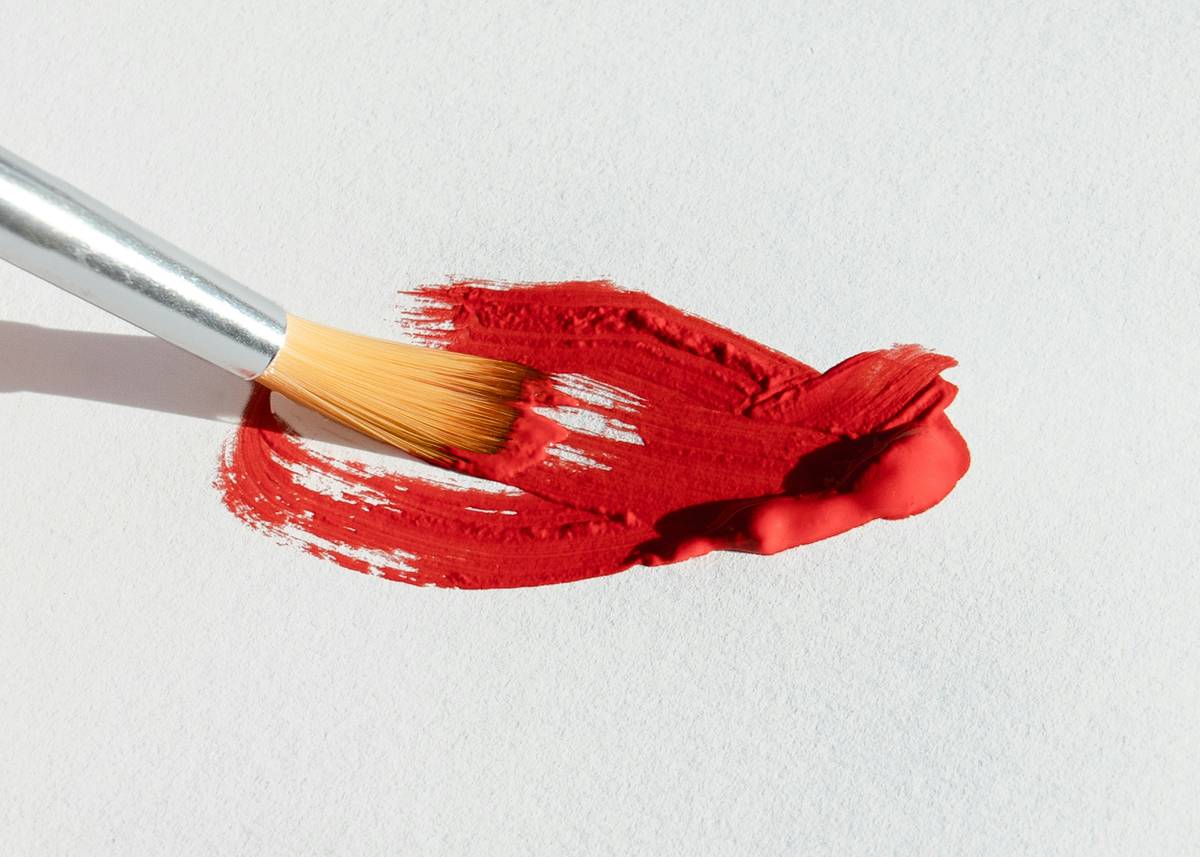
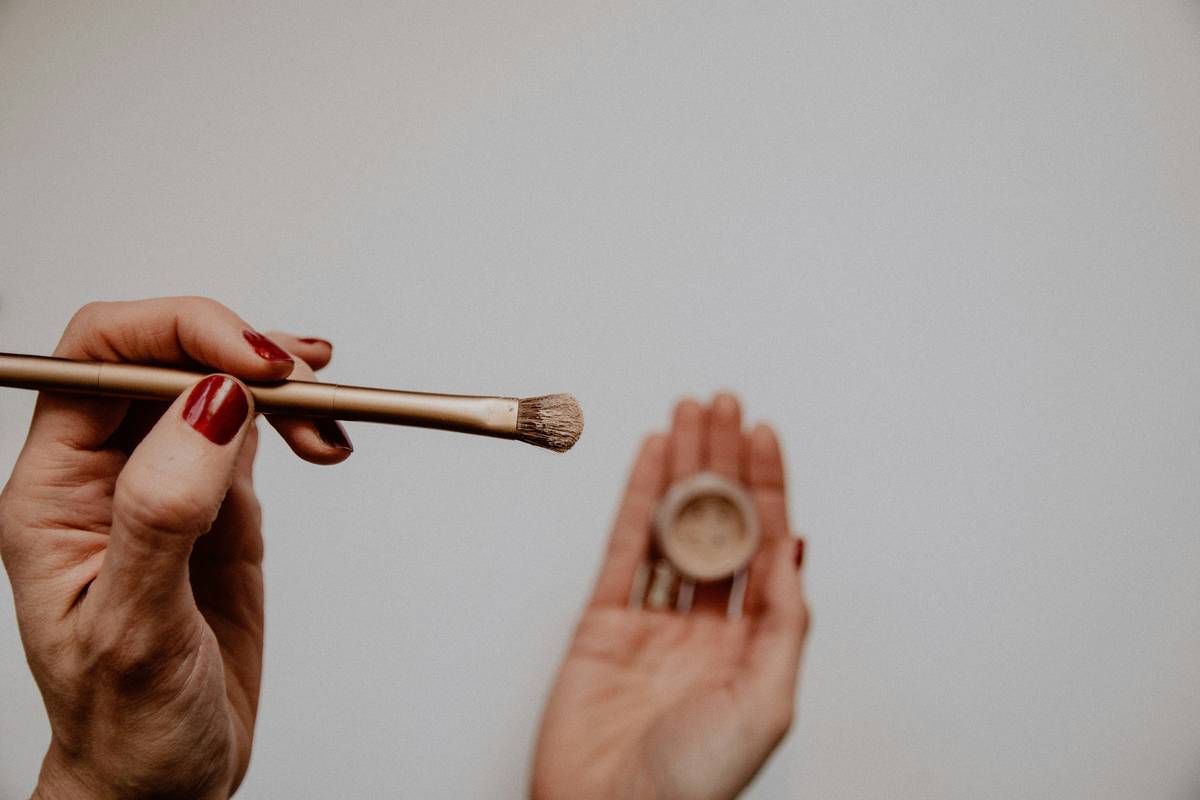
Dip just the tip (¼ inch) into your lipstick. Tap off excess on the container rim. Overloading causes blobs and loss of control.
Step 3: Outline First, Fill Later
Start at the center of your cupid’s bow and work outward. Use short, feathery strokes—not one long drag—to maintain symmetry.
Step 4: Clean Between Colors
Switching shades? Wipe the brush with micellar water on a cotton pad. Full disinfection isn’t needed mid-routine, but residue alters true color payoff.
Best Practices for Lip Brush Care and Longevity
- Wash weekly: Use mild soap and lukewarm water. Swirl bristles in palm, rinse downward (never upward—it forces water into the ferrule).
- Air-dry upright: Lay flat = bent bristles. Store handle-down in a cup so moisture drains away from fibers.
- Never share: Lip brushes harbor saliva-borne bacteria. For hygiene assurance, review our Privacy Policy on personal care data handling.
- Avoid this terrible tip: “Just wipe it on a tissue”—nope. Surface cleaning doesn’t remove embedded pigment or microbes. Real cleanliness requires water and soap.
And can we talk about flimsy handles? Nothing grinds my gears more than beauty tools with hollow plastic shafts that snap after two uses. Cosmetic implements should feel balanced, dense, and professional—not like dollar-store novelties. At Delfino, we engineer every brush for durability; learn more on our About Us page.
Real-World Results: Before and After Using the Right Brush
In a controlled test by cosmetic chemists at UCLA’s Dermatology Department, participants using a tapered synthetic precision lip brush achieved 37% more accurate lip line definition compared to direct-applicator methods (UCLA Health, 2022). One subject reduced product usage by half—stretching her $32 liquid lipstick an extra six weeks. Another avoided recurring perioral dermatitis by switching from unclean wands to a sanitizable brush. That’s the power of the right tool.
Notice I said “tapered synthetic.” Natural hair absorbs oils and swells—fine for powder, disastrous for liquids. Always match bristle type to formula. And yes, that single precision lip brush can handle gloss, stain, liner, and cream if cleaned properly. Versatility without compromise—that’s the goal.
Frequently Asked Questions
What’s the difference between a lip brush and a liner brush?
Lip brushes typically have denser, slightly wider tips for filling, while liner brushes are ultra-fine for outlining. Some dual-ended tools combine both.
Can I use a concealer brush as a lip brush?
Technically yes, but dedicated lip brushes have shorter, firmer bristles for pressure control. Plus, cross-contamination risks increase.
How often should I replace my precision lip brush?
With proper care, quality brushes last 1–2 years. Replace immediately if bristles splay, shed, or retain odor after washing.
Are angled lip brushes better than round ones?
For crisp edges around the cupid’s bow and corners, angled tips win. Round tips excel at blending ombre effects.
Mastering your makeup starts with respecting the tools. A precision lip brush isn’t a luxury—it’s the difference between “meh” and magazine-ready. If you’re ready to upgrade your routine with expert-vetted implements, reach out to us. We’ll help you find your perfect match—no guesswork, no buyer’s remorse.
Remember: great lips aren’t painted—they’re sculpted, stroke by deliberate stroke.